
Interlocking Pavers vs. Poured Concrete for Commercial Properties
People searching for interlocking pavers installation are often comparing durability and appearance options for commercial properties, and local contractors can help determine the best choice and handle the installation.
Choosing between interlocking pavers and poured concrete for commercial properties is a decision that many property owners in the area find themselves contemplating. Whether upgrading a parking lot, walkways, or outdoor gathering spaces, understanding the practical differences can help inform a smart investment. Local contractors who specialize in interlocking pavers installation often highlight the benefits of durability, ease of repair, and aesthetic versatility, making this option an appealing alternative to traditional poured concrete surfaces.
As property owners explore their options, it’s important to consider factors like maintenance, longevity, and overall appearance. Interlocking pavers are known for their ability to withstand heavy use and shifting ground, which can be advantageous in commercial settings. Local service providers experienced in paver installation can offer insights tailored to the specific needs of the area, helping decision-makers determine the best choice for their property’s functionality and curb appeal. Keep reading to discover how these solutions compare and how local experts can assist in making an informed decision.
- Commercial parking lots - property owners considering interlocking pavers vs. poured concrete for commercial properties can rely on local contractors to evaluate durability and aesthetic appeal.
- Walkways and pathways - businesses seeking attractive, low-maintenance solutions often turn to local service providers experienced in installing interlocking pavers or poured concrete.
- Outdoor seating areas - commercial property managers wanting versatile surfaces for outdoor spaces can find local pros skilled in both interlocking pavers and poured concrete options.
- Loading docks and service areas - those needing resilient surfaces for heavy traffic can work with local contractors to choose the best material based on usage and longevity.
- Landscaped grounds and plazas - property owners aiming for visually appealing, functional outdoor spaces often consult local experts in interlocking pavers and poured concrete installation.
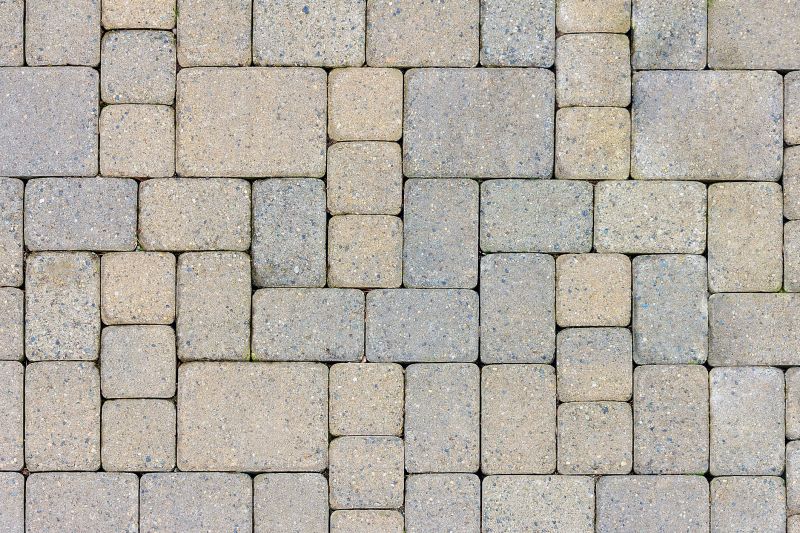
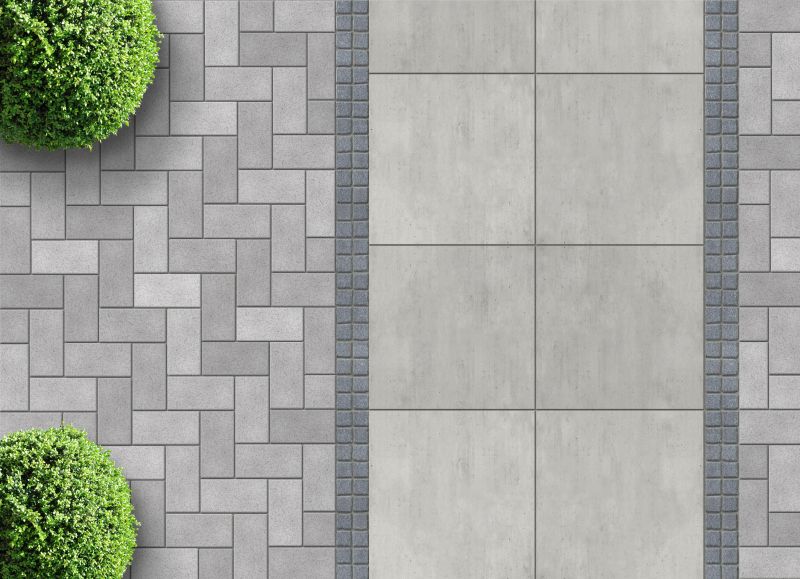
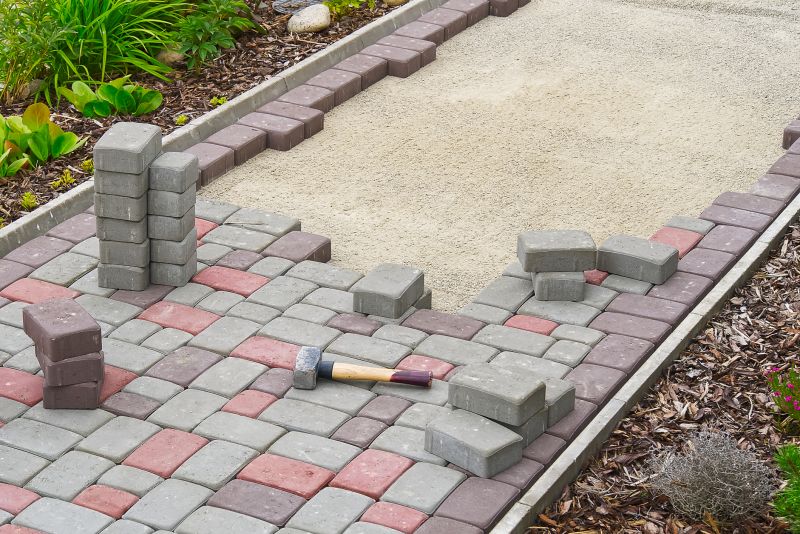
When searching for information on interlocking pavers vs. poured concrete for commercial properties, most people are exploring options for durable, attractive, and cost-effective paving solutions. This comparison often comes up in the context of planning parking lots, walkways, plazas, or outdoor seating areas for retail centers, office complexes, or industrial sites. Property owners and managers want to understand which material will best meet their needs for longevity, maintenance, and visual appeal while fitting within their overall project goals. The decision often hinges on how each material performs under heavy use, weather conditions, and the specific design aesthetic desired for the property.
This topic relates to a variety of problems and plans associated with commercial property development or renovation. For example, many property owners are concerned about the long-term durability of their paved surfaces, especially in high-traffic areas. Others are considering the ease of repair or replacement if damage occurs, or how the chosen material will impact the property's overall look and functionality. Some projects involve creating a welcoming entrance, a safe parking lot, or a maintenance-friendly outdoor space. Local service providers who specialize in interlocking pavers installation or poured concrete work can offer valuable insights and practical solutions tailored to these specific needs.
The types of properties that typically come up in discussions about interlocking pavers vs. poured concrete include retail centers, office parks, warehouses, and multi-unit residential complexes. These properties often require large paved areas that can withstand frequent vehicle and foot traffic, making durability a key concern. Commercial properties with aesthetic considerations may lean toward interlocking pavers for their visual versatility, while those prioritizing straightforward installation and minimal ongoing maintenance might favor poured concrete. Understanding the specific demands of each property type helps in choosing the right paving material, and local contractors experienced in both options can provide guidance on what will work best for each project.
For property owners considering either interlocking pavers or poured concrete, connecting with local pros who specialize in commercial paving can make a significant difference. These service providers understand the unique challenges and requirements of commercial projects and can help evaluate which material aligns with the property's needs and goals. Whether it's ensuring proper installation, selecting the right style, or planning for future repairs, professionals can offer practical advice rooted in local experience. By working with experts familiar with the area's climate and usage patterns, property owners can make informed choices that support the long-term success and functionality of their paved spaces.
Concrete Repair and Resurfacing - professionals skilled in concrete repair and resurfacing can assist with issues related to poured concrete surfaces, which is relevant when comparing to interlocking pavers for durability and maintenance in commercial settings.
Paving Stone Installations - local contractors experienced in installing various types of paving stones can provide insights into the benefits and challenges of interlocking pavers versus poured concrete for commercial projects.
Hardscape Design and Planning - designing durable and aesthetically appealing outdoor spaces involves planning skills similar to those used in interlocking pavers installation and poured concrete layout decisions.
Drainage System Installation - expertise in drainage solutions is essential for both interlocking pavers and poured concrete surfaces to prevent water pooling and damage in commercial properties.
Surface Preparation and Grading - proper surface prep is crucial for both interlocking pavers and poured concrete projects to ensure longevity and performance in high-traffic commercial areas.
Commercial Landscaping Services - landscape contractors often coordinate with paving specialists to create cohesive outdoor environments that incorporate interlocking pavers or poured concrete as functional elements.
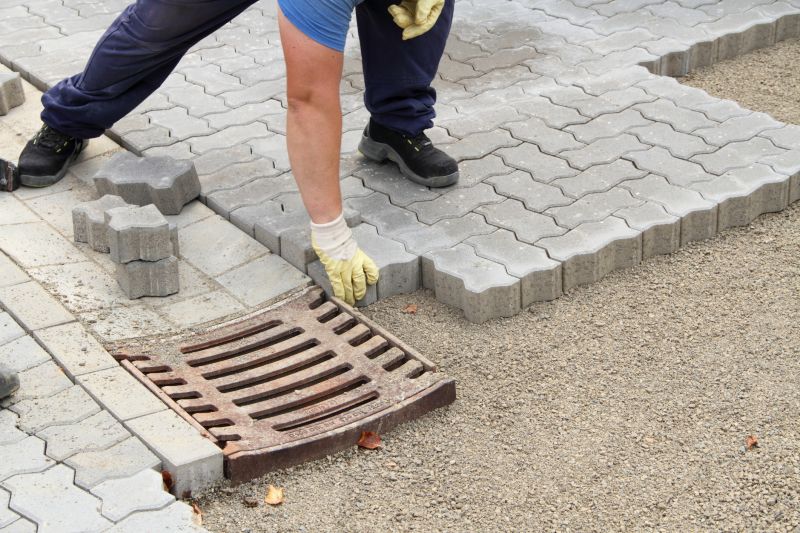
When evaluating service providers for interlocking pavers installation versus poured concrete for commercial properties, it’s important to consider their experience with similar projects. Contractors who have a proven track record working on commercial spaces with comparable scope and design requirements are more likely to understand the unique challenges involved. A contractor’s portfolio or references that highlight previous work in interlocking pavers or poured concrete can provide insight into their expertise and ability to deliver quality results tailored to commercial needs.
Clear, written expectations are essential when comparing local contractors. This includes detailed proposals that outline the scope of work, materials to be used, project timelines, and specific responsibilities. Having a well-defined plan helps ensure that both parties are aligned on the project’s goals and reduces the potential for misunderstandings. Service providers who are transparent about their processes and willing to provide comprehensive documentation can make the decision-making process smoother and more informed.
Effective communication and reputable references are key indicators of a reliable contractor. Contractors who maintain open lines of communication and are responsive to questions demonstrate professionalism and a commitment to client satisfaction. Additionally, seeking references from past clients who have undertaken similar projects can offer valuable insights into the contractor’s reliability, work quality, and ability to meet deadlines. Prioritizing these qualities helps ensure that the chosen service provider will be attentive to project details and capable of managing the complexities of interlocking pavers installation or poured concrete work for commercial properties.
Property owners often search for interlocking pavers vs. poured concrete for commercial properties when they are planning practical projects around their homes and businesses. Local pros provide Interlocking Pavers Installation services for everyday jobs and straightforward project options.
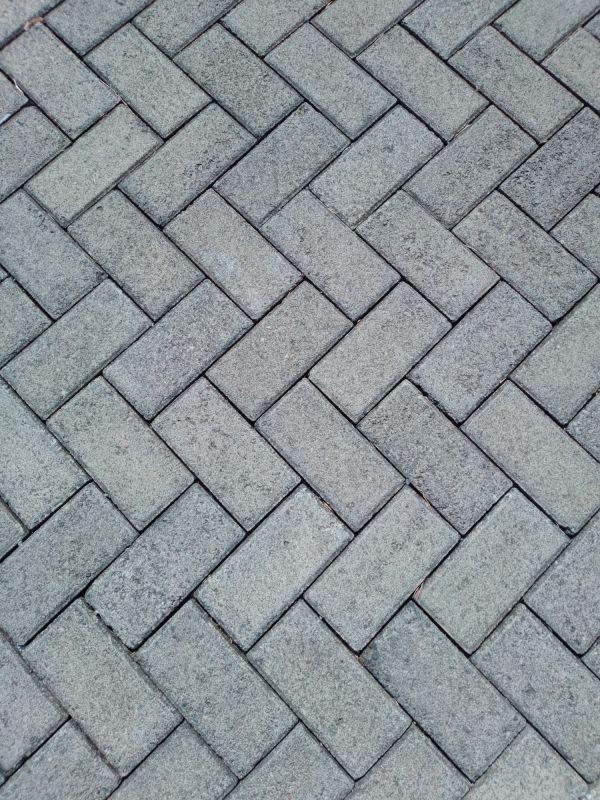
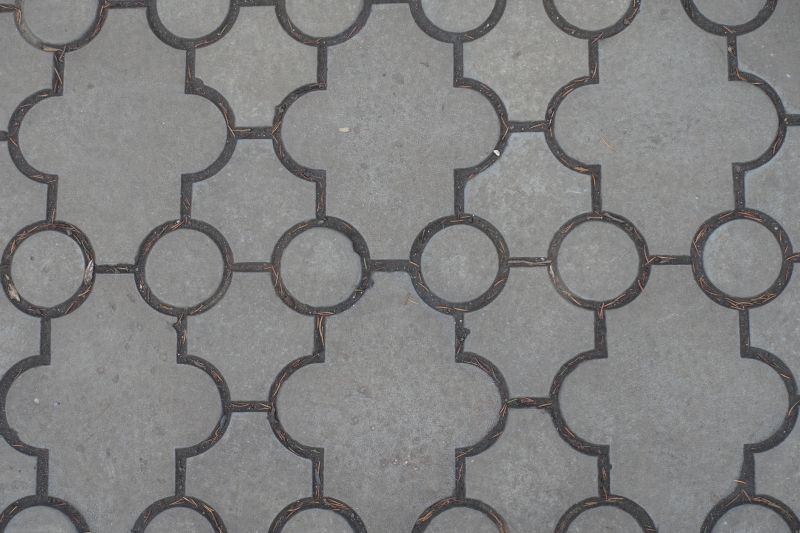
When considering surface options for commercial properties, property owners often compare interlocking pavers versus poured concrete to determine which best suits their needs. Interlocking pavers are known for their durability and ease of repair, making them a popular choice for high-traffic areas like parking lots and walkways. Poured concrete, on the other hand, offers a smooth, seamless surface that can be poured quickly and customized with various finishes. Local contractors can provide guidance on which material aligns with the property's usage, aesthetic goals, and long-term maintenance considerations.
For property owners exploring their options, understanding the practical differences between interlocking pavers and poured concrete can influence the decision-making process. Interlocking pavers tend to resist cracking and shifting over time, which can be advantageous in areas prone to ground movement or temperature fluctuations. Poured concrete may be more cost-effective initially but can require repairs if cracks develop. Local service providers specializing in interlocking pavers installation can help evaluate the site conditions and recommend the best material choice, ensuring a durable and attractive surface that meets the specific demands of the commercial space.
What are the main differences between interlocking pavers and poured concrete for commercial properties? Interlocking pavers are individual units that can be replaced easily, offering flexibility and design options, while poured concrete creates a seamless surface that is durable but less adaptable for repairs or modifications.
How does the installation process differ for interlocking pavers versus poured concrete? Installing interlocking pavers involves placing and locking individual units into a prepared base, whereas poured concrete requires pouring and leveling a single slab, which can impact installation complexity and site preparation.
Which material is more suitable for high-traffic commercial areas? Poured concrete often handles heavy traffic well due to its continuous surface, but high-quality interlocking pavers can also withstand significant use while allowing for easier repairs if damage occurs.
Are interlocking pavers or poured concrete better for maintaining a professional appearance over time? Interlocking pavers tend to maintain their appearance longer with less cracking or staining, while poured concrete may develop cracks or stains that require repairs to preserve a clean look.
Can local contractors help decide between interlocking pavers and poured concrete for a specific commercial project? Yes, experienced service providers can assess the site and project needs to recommend the most suitable material based on durability, design preferences, and maintenance considerations.
Durability considerations - Property owners can evaluate which material withstands heavy foot and vehicle traffic better for their specific commercial needs by consulting local contractors experienced in interlocking pavers installation services.
Design flexibility - Business owners can explore creative paving patterns and color options with local service providers to enhance curb appeal using interlocking pavers.
Installation challenges - Planning for proper sub-base preparation and drainage can be managed by local pros to ensure a successful poured concrete or interlocking pavers project.
Maintenance requirements - Understanding how each material ages and what upkeep they need allows property managers to choose the best option for ongoing maintenance with help from local contractors.
If you are thinking about interlocking pavers vs. poured concrete for commercial properties for a property, this guide is meant to help you understand this topic, the typical project types, and how different options might fit your plans.
When you are ready, you can use the quote form on this page to share a few details about your project. From there, local pros can review the basics and follow up with options that match what you have in mind.